Tingling, Numbness, and Burning: A Neurologist's Guide to Peripheral Neuropathy
The Silent Epidemic of Nerve Damage
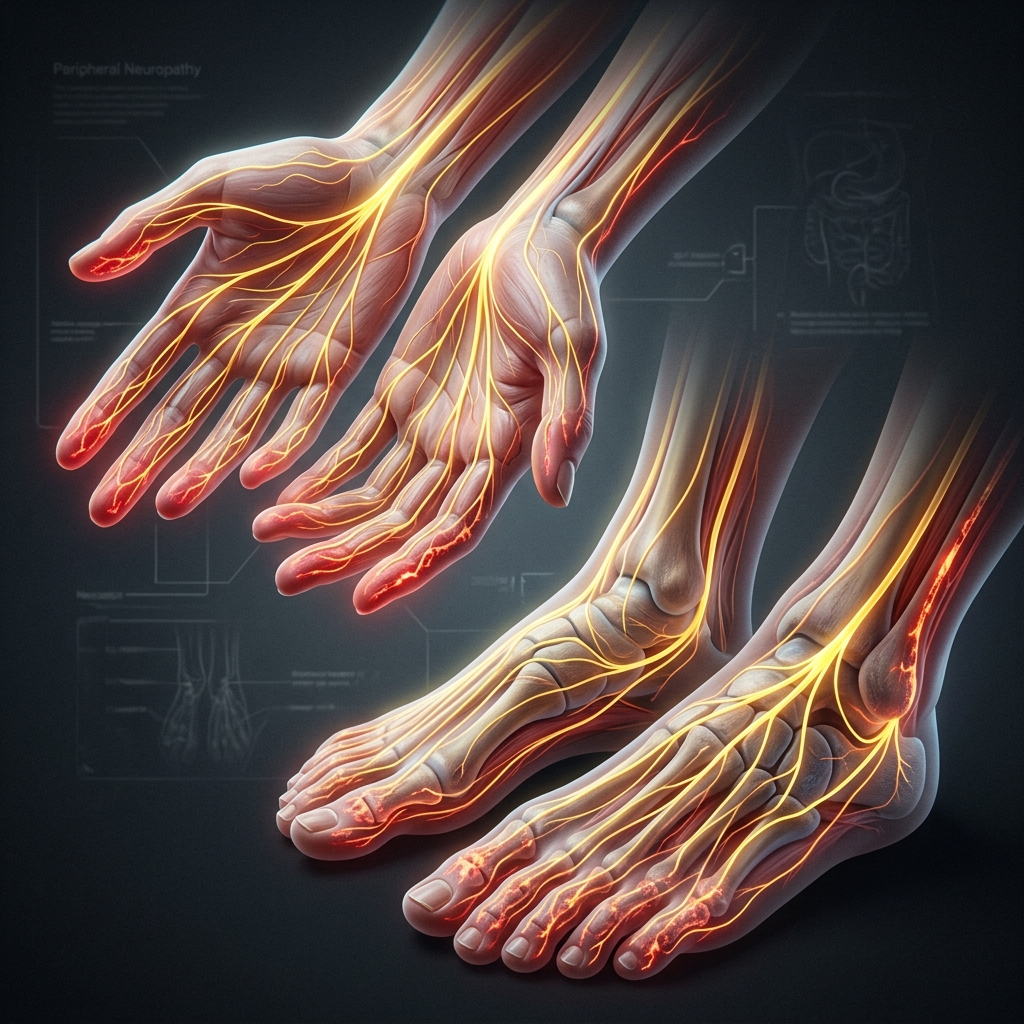
As a senior neurologist, one of the most frequent complaints I hear in the clinic is "Doctor, my feet feel like they are constantly burning," or "I have this strange tingling in my hands." These sensations are the hallmark of Peripheral Neuropathy, a condition where the peripheral nerves—the vast communication network transmitting information from your brain and spinal cord to every other part of your body—become damaged or destroyed.
What Exactly Does Neuropathy Feel Like?
Nerve damage doesn't always present as traditional "pain." Patients often describe the sensations using very specific terms. Recognizing these early is crucial:
- The "Glove and Stocking" Sensation: A gradual onset of numbness, prickling, or tingling in your feet or hands, which can spread upward into your legs and arms.
- Burning or Freezing Pain: A sharp, jabbing, throbbing, or intense burning sensation, especially at night.
- Extreme Sensitivity: Allodynia, a condition where even the lightest touch (like a bedsheet resting on your feet) causes severe pain.
- Loss of Balance: Sensory nerves tell your brain where your joints are in space. When they fail, you may feel unsteady on your feet or as if you are walking on cotton.
The Top Culprits: Why Are Your Nerves Dying?
Peripheral neuropathy is not a single disease; it is a symptom of an underlying problem. Finding that root cause is the detective work of a neurologist.
1. Diabetes Mellitus (The Leading Cause)
Diabetic neuropathy accounts for nearly 50% of all cases. Chronically high blood sugar levels essentially "sugar-coat" and damage the delicate walls of the tiny blood vessels (capillaries) that supply oxygen and nutrients to the nerves.
2. Vitamin Deficiencies (B12)
Vitamins B1, B6, B12, vitamin E, and niacin are crucial for nerve health. Vitamin B12 deficiency is incredibly common, especially in vegetarians, the elderly, or those on prolonged antacid medication. Without B12, the protective myelin sheath around nerves begins to degrade.
3. Autoimmune and Inflammatory Conditions
Conditions like Rheumatoid Arthritis, Lupus, and Guillain-Barre syndrome can cause the body's immune system to mistakenly attack its own nerve tissues.
4. Nerve Compression (Trapped Nerves)
Sometimes the issue is structural. Carpal Tunnel Syndrome (compression of the median nerve in the wrist) or sciatica (compression of the sciatic nerve in the lower back) are localized forms of neuropathy.
Advanced Diagnostics: Moving Beyond the Tuning Fork
While a clinical exam checking reflexes and vibration sense (using a tuning fork) is the first step, modern neurology relies on advanced testing. We frequently utilize Electromyography (EMG) and Nerve Conduction Studies (NCS). These tests allow us to measure the exact speed and strength of electrical signals traveling through your nerves, pinpointing the exact location and severity of the nerve damage.
Treatment and Management: Can Nerves Heal?
The golden question: Can nerve damage be reversed? The answer depends entirely on the cause and how early we catch it. Peripheral nerves have a remarkable, albeit slow, capacity to regenerate (about 1 inch per month) if the underlying toxic environment is removed.
1. Treating the Root Cause: Strict glycemic control for diabetics or aggressive vitamin supplementation for deficiencies can halt progression and allow healing.
2. Pharmacological Relief: Standard painkillers like ibuprofen rarely work for nerve pain. Instead, we use specific neuromodulators (like Gabapentin or Pregabalin) or certain classes of antidepressants (like Duloxetine or Amitriptyline) which alter the way the brain processes pain signals.
3. Lifestyle and Physical Therapy: Maintaining a healthy weight, quitting smoking (which constricts blood vessels to nerves), and targeted physical therapy to improve balance and prevent falls are essential pillars of management.
When Should You See a Neurologist?
Never ignore prolonged tingling, numbness, or unusual pain in your extremities. Early intervention is the key to preventing permanent, irreversible nerve death. If your symptoms are spreading, affecting your balance, or keeping you awake at night, it is time for a comprehensive neurological evaluation.
Expert Second Opinion
Facing a complex neurological diagnosis? Consult Dr. Ranjan Kumar for a thorough clinical review.
Book Now